Choosing the right passenger elevator is an important decision for any residential, commercial, or high-rise building. An elevator is not simply a means of moving people between floors it directly affects building accessibility, passenger comfort, safety, energy consumption, and long-term operating costs.
With different elevator configurations, capacities, speeds, technologies, and cabin designs available, selecting the right solution can sometimes be confusing. The best passenger elevator depends on your building's size, available space, passenger traffic, number of floors, architectural requirements, and future needs.
If you are planning a new elevator installation or upgrading an existing building, understanding the key factors can help you make a more informed decision.
Understand Your Building Requirements
The first step in choosing a passenger elevator is to understand how the building will be used.
A residential apartment building may require an elevator designed for regular daily passenger movement, while an office, hotel, hospital, or commercial complex may experience significantly higher traffic.
Consider factors such as:
- Number of floors
- Number of people using the elevator
- Peak-hour passenger traffic
- Building type
- Available shaft and machine-room space
- Required elevator speed
- Expected future occupancy
For example, a low-traffic residential building may have different requirements from a busy commercial building where employees and visitors use the elevator continuously throughout the day.
Choose the Right Elevator Capacity
Passenger elevator capacity is one of the most important factors to consider. Choosing an elevator with insufficient capacity can result in overcrowding and longer waiting times, while an unnecessarily large elevator can increase project and operating costs.
The appropriate capacity depends on the building's population and expected traffic.
Cooper Passenger Elevators are available in configurations ranging from 630 kg to 1600 kg, allowing different solutions to be considered for residential, commercial, and high-rise applications.When determining capacity, don't consider only the current number of occupants. Think about how the building may be used in the future. A commercial building, apartment complex, or mixed-use development may experience increased occupancy over time.
Select the Appropriate Elevator Speed
Elevator speed affects how quickly passengers can travel between floors and how efficiently the building handles traffic.For buildings with fewer floors and moderate traffic, a standard speed may be sufficient. Taller buildings and high-traffic environments may benefit from higher-speed elevator systems.
Cooper Passenger Elevators offer speed configurations from approximately 1.0 to 2.5 m/s, depending on the selected model and project requirements.The right speed should be determined based on factors such as building height, travel distance, passenger traffic, and expected waiting time.
Choosing the highest available speed is not necessarily the best solution. The goal is to select a speed that provides efficient passenger movement while remaining appropriate for the building.
Consider MRL vs Small Machine Room Elevators
The available space in your building can strongly influence your elevator choice.
Two configurations offered by Cooper include Machine Room Less (MRL) and Small Machine Room (SMR) passenger elevators.
Machine Room Less (MRL) Elevators
MRL elevators integrate the elevator machinery into the shaft area, eliminating the need for a separate traditional machine room. This can make them particularly useful when building space is limited or when architects want greater flexibility in building planning.
MRL elevators can help optimize available space while maintaining modern performance and technology.
Small Machine Room (SMR) Elevators
SMR passenger elevators provide a flexible configuration where a dedicated small machine-room arrangement is possible. They can be suitable for projects where the building design allows space for the required equipment.
The choice between MRL and SMR should be made after evaluating the building layout, shaft dimensions, structural requirements, and project design.
Check the Elevator Safety Features
Safety should always be one of the highest priorities when selecting a passenger elevator.
Modern elevator systems can incorporate multiple safety and emergency functions designed to protect passengers and support reliable operation.
Important features to consider include:
- Overload protection
- Emergency leveling
- Emergency rescue functions
- Door safety systems
- Fire emergency functions
- Voice announcements
- Fault monitoring
- Automatic return functions
Cooper Passenger Elevators include features such as overload protection, emergency leveling during power failure, low-speed self-rescue, fire emergency functions, voice announcements, and fault-data recording.
When comparing elevator manufacturers, don't evaluate the product only by appearance or price. Ask what safety systems are included and how they are tested and maintained.
Look for Smooth and Comfortable Operation
Passenger comfort is another important consideration, particularly in residential towers, offices, hotels, hospitals, and premium commercial buildings.A good elevator should provide smooth starting, comfortable acceleration and deceleration, accurate floor leveling, and reliable door operation.
Cooper Passenger Elevators use VVVF (Variable Voltage Variable Frequency) drive technology, which helps provide controlled and precise elevator movement.
Smooth operation can improve the passenger experience while also supporting efficient elevator performance.
Energy Efficiency
Elevators operate many times every day, so energy efficiency can have an impact on long-term operating costs.When choosing an elevator, look beyond the initial purchase price and consider its expected operating requirements.Energy-efficient features, efficient drive systems, LED lighting, and intelligent control can contribute to reduced energy consumption.
Cooper Passenger Elevators incorporate VVVF technology and energy-saving features designed to improve operational efficiency, including reduced power consumption during idle periods.For large apartment complexes and commercial buildings with frequent elevator usage, these considerations can become particularly important over the elevator's operating life.
Choose the Right Cabin Design
An elevator is also part of the building's interior environment. Cabin finishes should complement the architecture and intended use of the property.
Depending on the project, you may consider:
- Stainless-steel finishes
- Mirror finishes
- Wood-grain finishes
- Glass elements
- Standard cabin designs
- Premium interiors
- Customized cabin designs
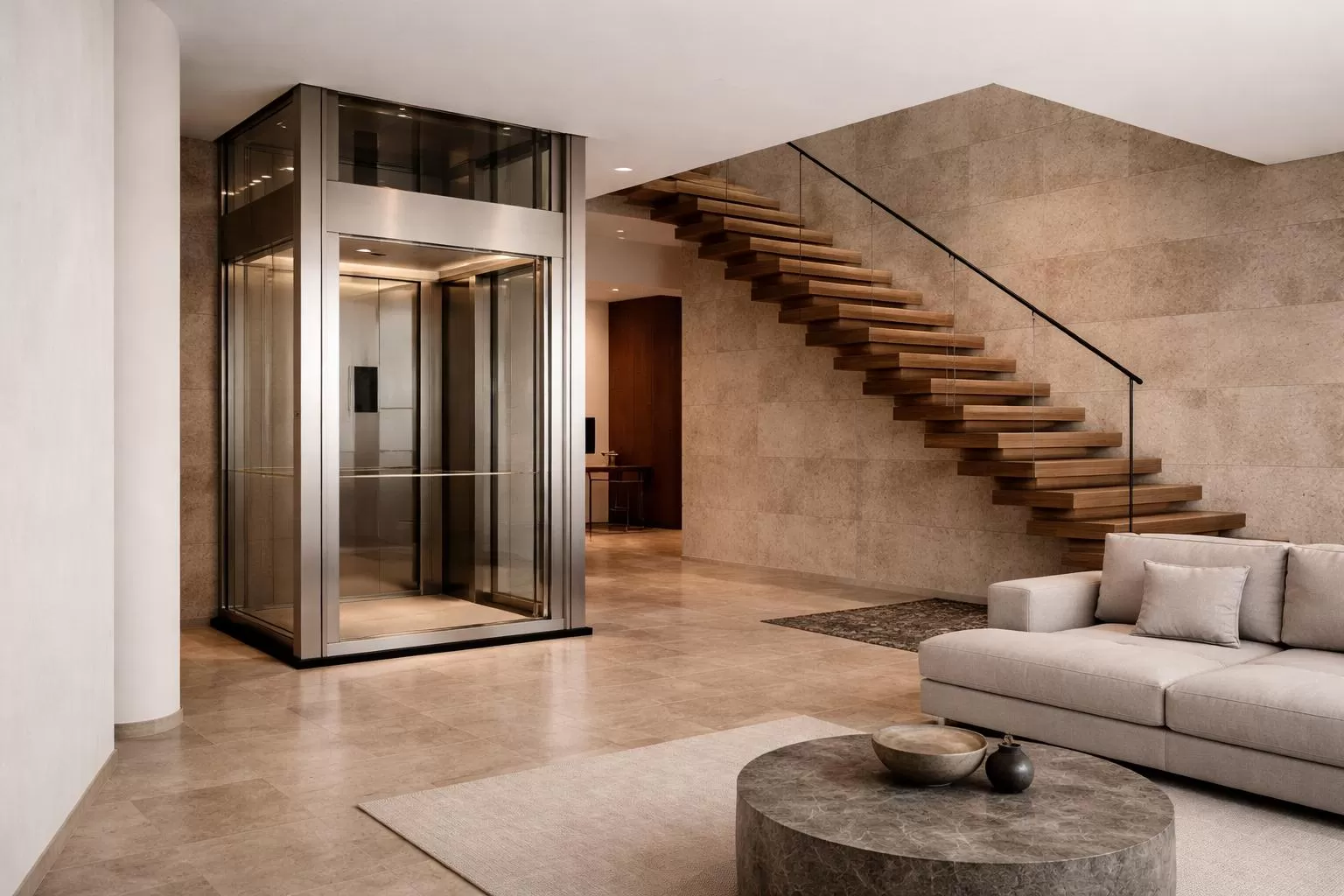
Cooper offers standard, premium, and customized cabin options with finishes including stainless steel, mirror, wood grain, and glass.
For hotels, offices, luxury apartments, and commercial buildings, customized cabin interiors can help create a more premium passenger experience.
Consider Smart and Connected Features
Modern passenger elevators are becoming increasingly connected. Intelligent features can improve building management, passenger convenience, and maintenance.
Depending on the system, useful features can include:
- Remote monitoring
- Group control
- Parallel operation
- IC card access
- Voice announcements
- Fault-data recording
- Run-time recording
Remote monitoring can be particularly useful for building owners and facility managers because elevator status, faults, door operation, and emergency conditions can be monitored remotely.
For buildings with multiple elevators, group control and parallel operation can also help manage passenger traffic more effectively.
Think About Maintenance and After-Sales Support
Choosing an elevator is a long-term investment. Installation is only the beginning of the elevator's lifecycle.
Before selecting a manufacturer, consider the availability of:
- Preventive maintenance
- Breakdown support
- Spare parts
- Technical assistance
- Remote monitoring
- Annual Maintenance Contracts (AMC)
- Local service teams
Reliable after-sales support can help maintain elevator performance, reduce unexpected downtime, and extend equipment life.
Work With an Experienced Elevator Manufacturer
The final and perhaps most important consideration is the elevator manufacturer and installation partner.A professional manufacturer should be able to evaluate your building, understand passenger traffic requirements, recommend the appropriate elevator configuration, provide suitable cabin options, and support the elevator throughout its operating life.
Cooper Elevators provides passenger elevator solutions for residential, commercial, and high-rise buildings, with configurations designed around building capacity, passenger traffic, speed, available space, and architectural requirements.
Conclusion
Choosing the right passenger elevator requires more than comparing prices. The ideal elevator should match your building's passenger traffic, number of floors, available space, required capacity, speed, safety requirements, energy-efficiency goals, and architectural design.
For projects in Chennai and across Tamil Nadu, a site assessment from an experienced elevator manufacturer can help determine the most suitable solution for your building.