
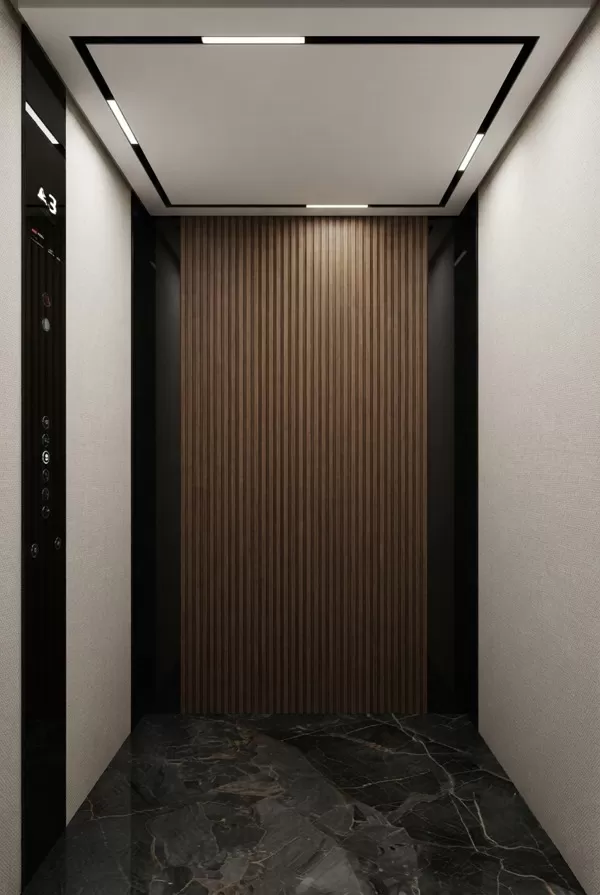
Passenger lifts play an important role in the daily operation of apartments, offices, hospitals, hotels and commercial buildings. Over time, frequent usage, ageing components and outdated control systems can affect lift performance, passenger comfort and reliability. When regular repairs are no longer enough, passenger lift modernization can help improve the performance, safety and usability of an existing elevator.
But how do you know when an old lift needs an upgrade? Should you replace the entire elevator or modernize selected components? Understanding the warning signs, available upgrade options and long-term benefits can help building owners make informed decisions.
In this guide, we explain when to consider elevator modernization, which components can be upgraded and how to choose the right solution for your building.
What Is Passenger Lift Modernization?
Passenger lift modernization is the process of upgrading selected components or systems of an existing elevator to improve its performance, reliability, safety and passenger experience.
Depending on the lift's condition, modernization may involve replacing outdated controllers, upgrading drive systems, improving door mechanisms, renovating the cabin or replacing other ageing components.
Unlike complete lift replacement, modernization may allow certain existing components to remain in service when they are suitable and safe to retain. The scope depends on the elevator's age, condition, design and applicable safety requirements.
For apartments, offices and commercial properties, elevator modernization can be an option when an existing lift no longer meets the building's operational requirements.
7 Signs Your Old Passenger Lift Needs an Upgrade
Frequent Lift Breakdowns
If your elevator regularly stops working, requires repeated repairs or remains out of service for extended periods, its components may be approaching the end of their useful service life.
Repeated breakdowns inconvenience residents, employees, visitors and building management teams. A professional lift assessment can identify whether individual repairs are sufficient or whether a broader passenger lift modernization project is appropriate.
2. Slow Operation and Poor Ride Comfort
Older elevators may experience jerky starts, uncomfortable stops, excessive vibration or inaccurate floor levelling. These issues can affect passenger comfort and accessibility.
Upgrading suitable drive and control systems may improve acceleration, deceleration and floor-level stopping accuracy. The improvement achievable depends on the existing equipment and the proposed modernization scope.
3. Outdated Lift Control Systems
Older lift controllers may lack the capabilities available in modern control technology. Spare parts may also become harder to source for discontinued equipment.
A lift control system upgrade can improve operational control, support more consistent performance and make fault diagnosis easier when compatible monitoring features are included.
For buildings with older passenger elevators, a qualified elevator professional should assess controller compatibility and determine whether partial upgrades or more extensive modernization are appropriate.
4. Ageing Doors and Safety Components
Lift doors that operate inconsistently, close improperly or frequently develop faults need prompt professional attention. Door sensors, interlocks, braking components and other safety-related systems must be assessed and maintained according to applicable requirements.
An elevator safety upgrade may involve replacing worn or outdated components, improving door protection and addressing identified safety deficiencies.
Never delay necessary safety repairs while waiting for a modernization project. Any lift considered unsafe should be taken out of service until the responsible professional confirms it can operate safely.
5. Rising Repair and Maintenance Costs
If maintenance expenses continue to increase because of recurring component failures, unavailable spare parts or ageing equipment, it may be time to compare repair costs with modernization options.
Review the lift's maintenance history, frequency of breakdowns, parts availability and downtime. A planned upgrade may offer better long-term value than repeatedly repairing the same ageing systems, although the right choice depends on the condition of the equipment.
6. Outdated Cabin Appearance
A worn cabin, damaged finishes, outdated lighting or deteriorating flooring can make an otherwise functional elevator look neglected.
Lift renovation can include new cabin finishes, improved lighting, updated control panels, modern indicators and refreshed interior surfaces. These changes can improve the passenger experience without necessarily requiring replacement of the complete elevator.
7. Changing Building Requirements
An apartment complex may have more residents than when its lift was installed. An office may experience higher passenger traffic, or a building may need better accessibility and more reliable service.
In these situations, a modernization assessment can determine whether control upgrades, door improvements or other changes would address the building's needs. Where the existing lift cannot meet the required capacity, performance or safety standards, a more extensive replacement may be necessary.
Which Passenger Lift Components Can Be Modernized?
The scope of elevator modernization varies according to the lift's design and condition.
| Lift component | Potential upgrade |
|---|---|
| Control system | Modern controller and improved fault diagnostics |
| Drive system | Compatible drive technology for smoother operation |
| Doors and sensors | Updated door operators and suitable protective sensors |
| Cabin interiors | New finishes, lighting, indicators and control panels |
| Electrical components | Replacement of selected outdated or worn components |
| Monitoring systems | Compatible fault monitoring and diagnostic features |
| Safety systems | Assessment and upgrades to address identified deficiencies |
Not every lift requires every upgrade. A qualified elevator professional should inspect the equipment and recommend a suitable scope based on safety, compatibility, operational needs and applicable regulations.
Benefits of Passenger Lift Modernization
Improved Reliability
Replacing selected ageing components can help address recurring faults and reduce avoidable downtime when the underlying problems are correctly identified.
Better Passenger Comfort
Suitable controller and drive upgrades may provide smoother movement, more consistent stopping and a more comfortable ride.
Enhanced Safety
Modernization can address outdated or deteriorating safety components and bring the relevant systems closer to current applicable requirements. The exact improvements depend on the equipment and the work performed.
Updated Appearance
Cabin renovation, modern lighting and updated indicators can create a cleaner, more contemporary passenger environment.
Potential Long-Term Cost Benefits
Planned modernization may reduce recurring repair costs and improve parts availability. However, savings are not guaranteed; compare the proposed upgrade cost, maintenance requirements and expected remaining service life before making a decision.
Passenger Lift Modernization vs Complete Lift Replacement
Building owners often need to decide whether to upgrade an existing lift or install a new elevator.
Modernization may be suitable when:
- The existing lift structure and major retained components are in acceptable condition.
- Specific systems are outdated but can be safely upgraded.
- The building's capacity and operational requirements remain broadly suitable.
- A professional assessment confirms that the proposed upgrades are technically viable.
Complete lift replacement may be worth considering when:
- Major components have extensive deterioration or damage.
- Suitable spare parts are unavailable.
- The existing system cannot reasonably meet required safety or performance standards.
- The building needs substantial changes in capacity, speed, configuration or usage.
The lowest initial quotation is not always the most economical long-term choice. Compare the full scope of work, expected downtime, warranty, future maintenance and remaining useful life of retained components.
How Much Does Passenger Lift Modernization Cost?
The cost of lift modernization depends on the existing elevator, the number and type of components requiring replacement, the building configuration and the complexity of installation.
Common cost factors include:
- Age and condition of the existing lift.
- Whether the controller, drive system or door operators need replacement.
- The extent of cabin renovation and electrical work.
- Availability and compatibility of replacement components.
- Installation complexity, testing and commissioning requirements.
A limited cabin renovation will generally involve a different scope from a major control and drive upgrade. Complete replacement is a separate project and should be assessed accordingly.
For an accurate quotation, arrange an on-site inspection and request an itemized proposal that identifies the components to be retained, repaired, modernized or replaced.
How to Choose the Right Lift Modernization Company
Selecting an experienced elevator service provider is essential for planning a successful upgrade.
Before proceeding, check the company's experience with the relevant lift type, technical assessment process, component compatibility, safety procedures and installation capabilities. Ask for a clear project scope, estimated downtime, warranty terms and post-upgrade maintenance arrangements.
The proposal should explain which problems the upgrade is intended to solve and how the completed work will be tested and commissioned.
Building owners should also confirm that the proposed work complies with applicable local regulations and relevant elevator safety requirements.
Upgrade Your Passenger Lift with Cooper Elevators
If your building's elevator is experiencing frequent breakdowns, outdated controls, poor ride comfort or increasing maintenance requirements, a professional assessment can help you understand the available options.
Cooper Elevators provides elevator solutions for residential and commercial applications. Depending on the existing installation and project requirements, building owners can explore suitable modernization, upgrade or replacement options.
Whether you manage an apartment complex, office building, hospital or commercial property, evaluating the condition of your passenger lift can help you plan the next steps with greater confidence.
Explore Cooper passenger elevators in Chennai to learn more about passenger elevator solutions, or contact the team to discuss your building's requirements.
Frequently Asked Questions
1. When should an old passenger lift be modernized?
Consider modernization when an elevator has recurring breakdowns, outdated controls, poor ride quality, difficult-to-source spare parts or safety deficiencies. The decision should be based on a professional inspection rather than age alone.
2. Is passenger lift modernization better than replacement?
Modernization may be suitable when the existing structure and retained components are in acceptable condition. Replacement may be more appropriate when major components are deteriorated or the lift cannot meet required safety and performance needs.
3. What is included in elevator modernization?
Depending on the assessment, work may include control system upgrades, drive replacement, door improvements, cabin renovation, electrical upgrades and improvements to relevant safety systems.
4. How much does lift modernization cost in Chennai?
The cost depends on the existing lift, the components being upgraded, site conditions and installation requirements. An on-site inspection and itemized quotation are the best ways to determine the project cost.
5. How long does passenger lift modernization take?
The duration depends on the scope of work, component availability, site readiness and testing requirements. Ask the elevator contractor for a project-specific schedule and expected period of lift downtime.
6. Can an old passenger lift become more energy-efficient after modernization?
Suitable drive and control upgrades may improve energy performance, depending on the original system and operating conditions. Actual savings should be evaluated against the proposed equipment and the building's usage.
Conclusion
Passenger lift modernization can help building owners address ageing equipment, improve ride comfort, update selected safety systems and reduce recurring operational problems. The best solution depends on the elevator's condition, building requirements and the feasibility of retaining existing components.
By arranging a professional assessment and comparing modernization with replacement, you can make a more informed decision about the long-term performance of your building's passenger lift.